



Why Your Vacuum Isn’t Working Like It Used To (And How to Fix It)
It Used to Work Better… What Happened?

There was a time when your vacuum felt powerful. One pass across the floor and the dust was gone. Crumbs disappeared instantly. Pet hair didn’t stand a chance. But lately? It feels like you’re going over the same spot three or four times—and it still doesn’t look clean.
If your vacuum isn’t working like it used to, you’re not imagining it. And the good news is, it’s usually fixable.
Vacuum performance naturally declines over time, but in most cases, it’s not because the machine is “too old.” It’s because of maintenance.
Let’s break down what’s really happening.
1. Suction Loss Is the #1 Culprit

When a vacuum starts underperforming, loss of suction is usually the reason. According to appliance care experts, clogged filters and restricted airflow can reduce suction power by up to 50%. That means your vacuum could literally be operating at half strength.
The frustrating part? You don’t always notice it right away. You just feel like cleaning takes longer than it should.
2. A Full Dust Bin Changes Everything
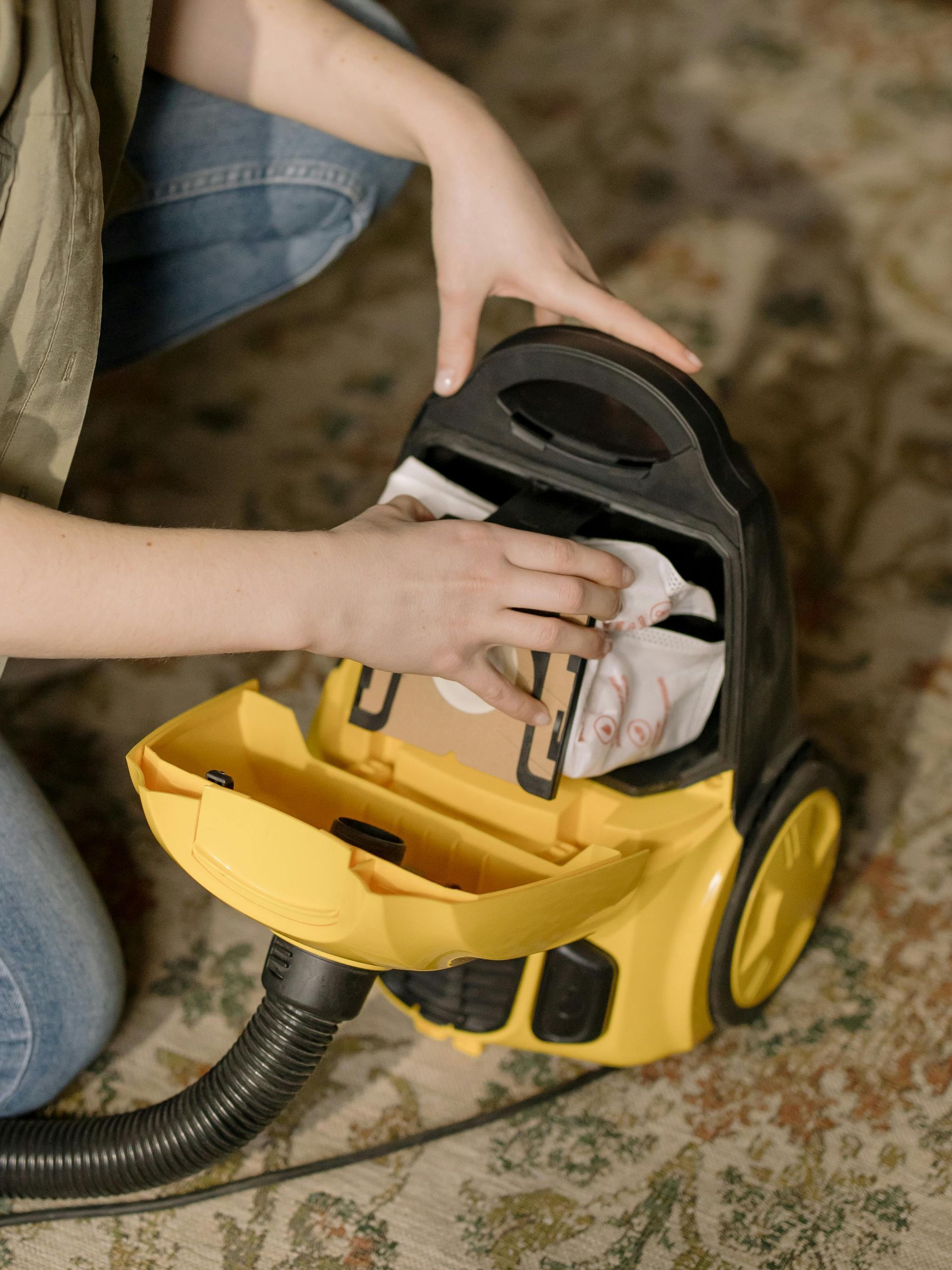
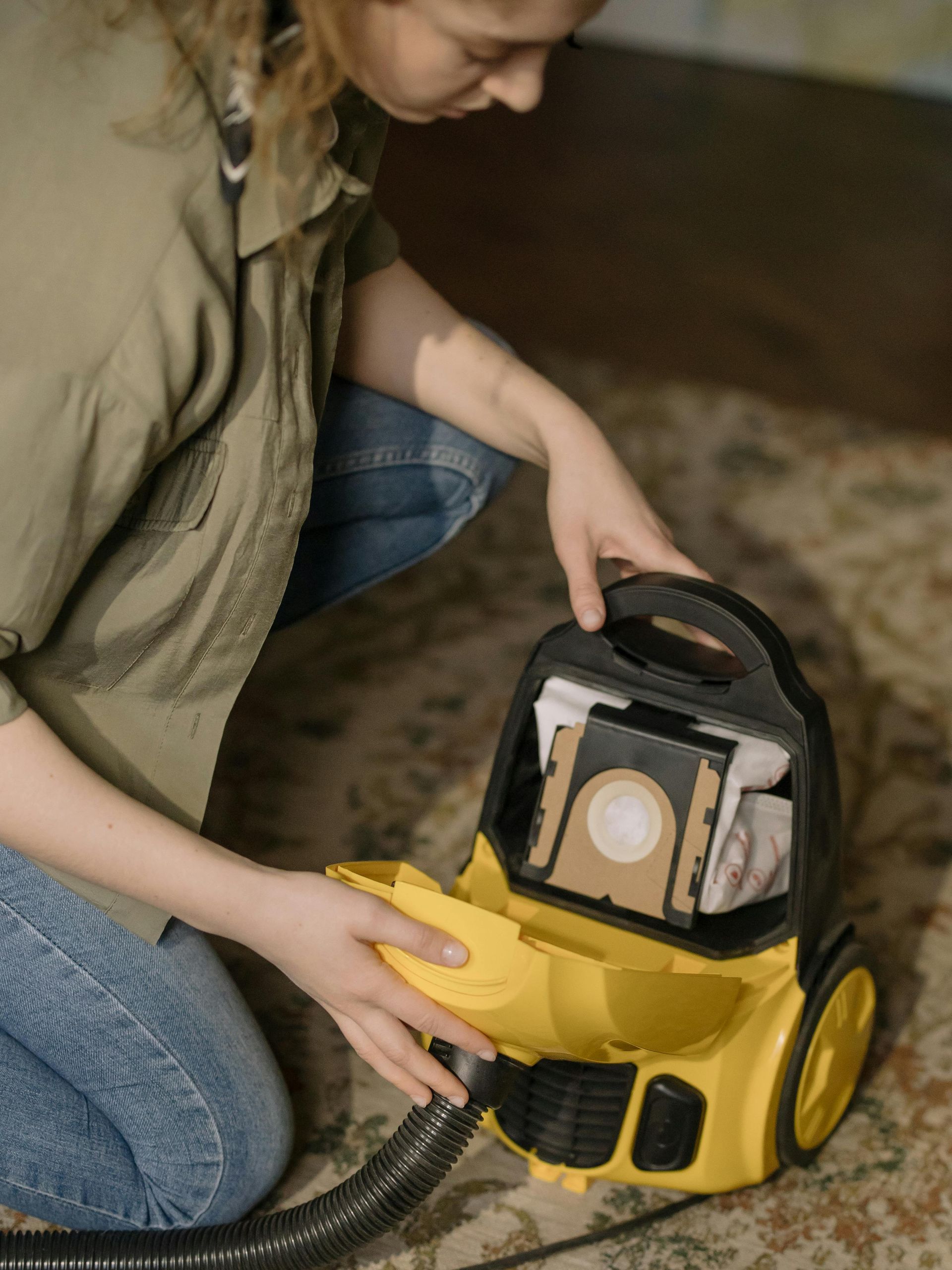
Many people wait until the dust bin is completely packed before emptying it. But airflow begins to drop long before it looks “full.”
When dirt compacts inside the container, the vacuum struggles to pull in new debris. The motor works harder, but performance weakens. Emptying the bin regularly—even when it’s only partially full—can dramatically improve results.
Small habit. Big difference.

3. Dirty Filters Block Airflow

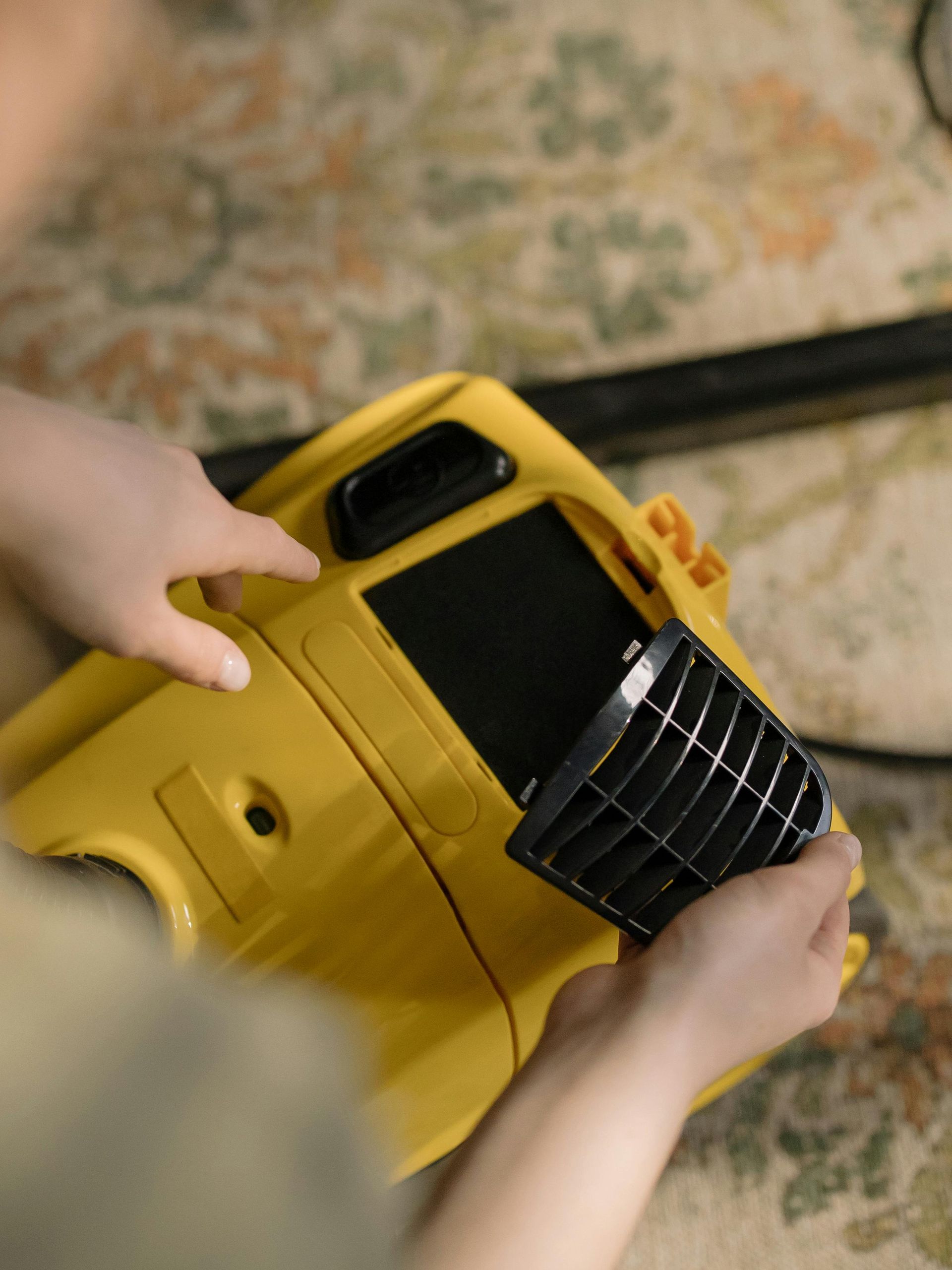
Filters are designed to trap dust and allergens. Over time, they become clogged, restricting airflow and weakening suction.
Experts recommend cleaning washable filters monthly and replacing disposable ones every 6–12 months, depending on usage. Yet this step is one of the most commonly forgotten.
Think of it like this: a vacuum can’t breathe properly if its filter is blocked. And when airflow suffers, cleaning efficiency drops.
4. Hair Wrapped Around the Brush Roll

If you have pets—or long hair in the household—this is likely affecting your vacuum more than you realize.
When hair and debris wrap around the brush roll, it can’t rotate properly. Without proper rotation, dirt doesn’t lift from carpets the way it should. What feels like weak suction might actually be a tangled brush.
A quick monthly check with scissors to remove wrapped hair can restore performance almost instantly.
5. Normal Wear and Tear Adds Up

The average vacuum cleaner lasts around 8 years, but only with proper maintenance. Belts stretch. Hoses develop hidden clogs. Seals loosen.
Consumer appliance reports consistently show that lack of maintenance is one of the top reasons vacuums lose performance—not mechanical failure.
Before assuming it’s time to replace your machine, inspect it carefully. You might just need a simple tune-up.
So… Do You Need a New Vacuum?
Not necessarily.
Try this first:
- Empty the dust bin.
- Wash or replace the filter.
- Remove hair from the brush roll.
- Check hoses for blockages.
In many cases, these small steps can restore your vacuum’s power and save you from an unnecessary purchase.
Cleaning is already a task most people don’t look forward to. When your tools stop performing well, it becomes even more frustrating and time-consuming.
But sometimes, the problem isn’t the vacuum—it’s the maintenance.
A well-cared-for vacuum saves time, energy, and effort. And when your equipment works the way it should, keeping your home clean feels manageable again—not overwhelming.
Before you replace it, give it a little attention. It might just surprise you.
Recent Posts